
What Is a DSCR Loan? The 2026 Beginner's Guide for Real Estate Investors

If you are buying a rental property, you may have heard the term DSCR loan. But what is a DSCR loan, and how is it different from a traditional mortgage?
A DSCR loan is an investment-property loan that focuses primarily on the property’s rental income and ability to support its monthly debt payment. Instead of relying mainly on your personal salary, W-2s, or tax returns, the lender evaluates whether the property can produce enough income to cover the loan.
This approach can be helpful for real estate investors who are self-employed, own multiple properties, have significant tax deductions, or want to grow a rental portfolio without relying entirely on conventional income calculations.
In this guide, we will explain how DSCR loans work, how to calculate the ratio, what lenders review, and when a DSCR mortgage may make sense.
What does DSCR stand for?
DSCR stands for Debt Service Coverage Ratio.
In simple terms, the ratio compares a property’s income with its debt payment:
DSCR = Property Income ÷ Property Debt Service
For many residential DSCR loans, lenders compare the property’s gross monthly rent with the monthly payment, which may include:
- Principal
- Interest
- Property taxes
- Insurance
- HOA or association dues, when applicable
For commercial properties, the analysis may focus more heavily on net operating income, or NOI, which accounts for normal operating expenses before debt service.
A higher DSCR generally means the property has more income available to cover the loan payment.
How is a DSCR loan different from a traditional mortgage?
With a traditional mortgage, the lender generally places significant emphasis on your personal income, employment history, debt-to-income ratio, and tax returns.
With DSCR financing, the property’s income is central to the review. The lender asks a different question:
Can this investment property generate enough income to support the proposed loan?
That does not mean the borrower is ignored. Credit history, reserves, down payment, property condition, loan-to-value ratio, entity structure, and experience may still affect approval and pricing.
However, personal income may not be the primary qualification factor. Many DSCR programs do not require the same type of W-2, pay stub, or personal tax-return documentation used in conventional financing.
Learn more about the DSCR loan programs available through DSCR Doctors.
How to calculate the DSCR ratio
The basic calculation is straightforward:
DSCR = Gross Monthly Rent ÷ Monthly Property Payment
Example
Assume a rental property has:
- Monthly rent: $3,000
- Monthly principal and interest: $2,100
- Monthly taxes, insurance, and HOA: $400
- Total monthly property payment: $2,500
The calculation would be:
$3,000 ÷ $2,500 = 1.20 DSCR
A 1.20 DSCR means the property produces approximately 20% more monthly income than the payment being analyzed.
Here is a simple way to understand common ratios:
- Below 1.00: Income does not fully cover the payment.
- 1.00: Income approximately covers the payment.
- 1.20: Income is about 20% higher than the payment.
- 1.25 or higher: The property has a stronger coverage cushion.
Minimum requirements vary by lender, property type, credit profile, leverage, and loan program. A ratio around 1.20 is a common rule of thumb, but it is not a universal approval standard.
You can also review the DSCR loan terms and definitions or use the calculator available through the DSCR Doctors process guide.
What properties can use DSCR loans?
DSCR loans are designed for income-producing investment properties. Depending on the program, eligible properties may include:
- Single-family rental homes
- Condos and townhomes
- Duplexes, triplexes, and fourplexes
- Small multifamily properties
- Short-term or vacation rentals
- Larger apartment buildings
- Mixed-use properties
- Retail, office, and other commercial real estate
The available financing structure depends on the property and the lender’s guidelines.
Residential DSCR loans
Residential DSCR loans commonly cover one-to-four-unit properties. The lender may review market rent, an existing lease, or other acceptable rent documentation.
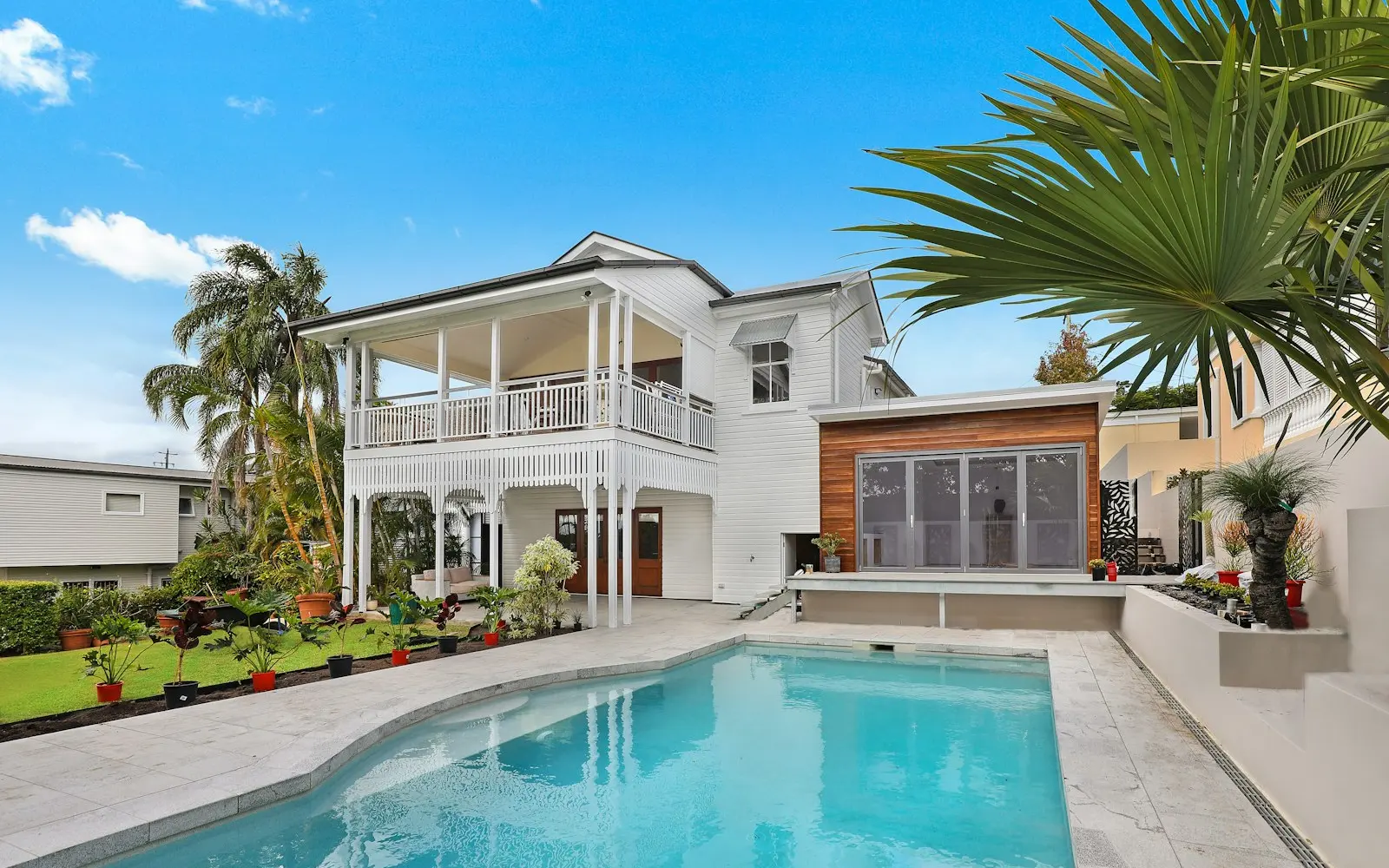
Explore residential DSCR loans for single-family rentals, small multifamily properties, condos, townhomes, and other residential investment properties.
Commercial DSCR loans
Commercial DSCR loans may apply to larger multifamily properties, office buildings, retail properties, mixed-use buildings, and other income-producing real estate.
Commercial underwriting often examines:
- Net operating income
- Current leases
- Tenant quality
- Vacancy
- Operating expenses
- Lease terms and renewals
- Property condition
- Overall value and leverage
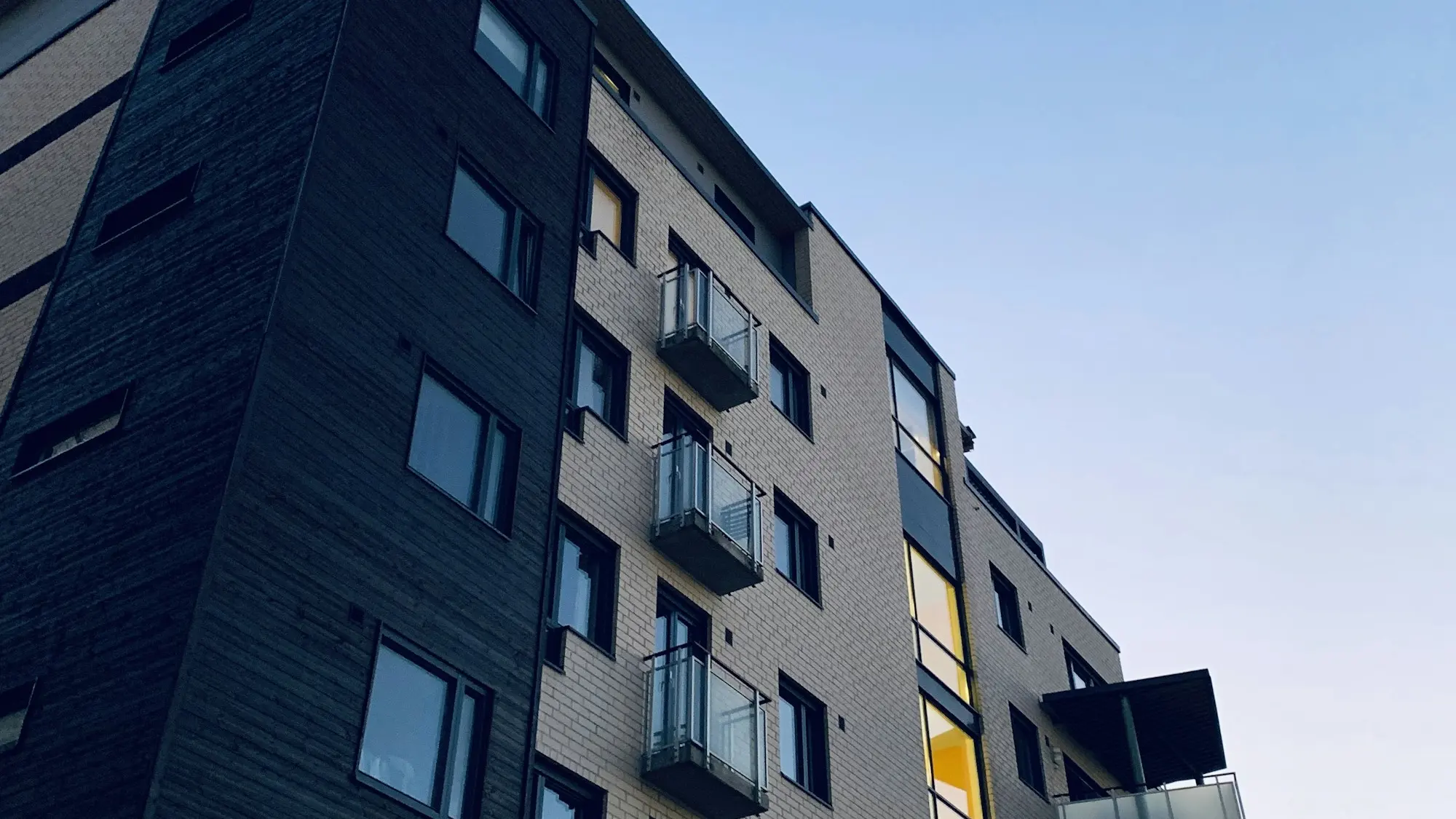
Learn more about commercial DSCR loans if you are evaluating a larger or more complex investment property.
Typical DSCR loan requirements in 2026
There is no single set of requirements for every DSCR mortgage. Programs differ, but lenders commonly review the following.
Any examples of lender expectations in this section are illustrative only, as of October 2026, and not a quote or commitment.
1. Property income
The lender needs to determine how much income the property can reasonably produce. This may involve an existing lease, market rent, an appraisal, or other supporting documentation.
2. Credit profile
DSCR loans are not based only on credit, but your credit history and score may affect:
- Interest rate
- Required equity
- Loan-to-value ratio
- Reserve requirements
- Overall program eligibility
Rather than a fixed number every borrower needs, lenders commonly look at the overall credit profile alongside the property, leverage, reserves, and loan program.
3. Down payment and loan-to-value
Many investors use a meaningful down payment for DSCR financing. For example, an illustrative 75% loan-to-value structure, as of October 2026, generally means approximately 25% equity before closing costs and other adjustments.
The actual leverage available depends on the property, DSCR, credit, loan purpose, and program.
4. Cash reserves
Lenders may require reserves after closing. Reserves can help demonstrate that you can handle vacancy, repairs, insurance increases, taxes, or other unexpected costs.
5. Property condition and appraisal
The lender will typically review the property’s value, condition, marketability, and rental potential. A property that needs substantial repairs may require a different financing strategy.
6. Ownership structure
Many investment properties are owned by an LLC or another business entity. If an LLC will own the property, the lender may request formation documents, ownership information, authorization documents, and personal guarantees.
Benefits of DSCR loans for real estate investors
Qualification centered on the property
A DSCR loan may help investors qualify based on the rental property’s performance rather than traditional employment income.
Less personal income documentation
Depending on the program, you may not need the same level of W-2, pay stub, or tax-return documentation required for a conventional loan.
Useful for self-employed investors
Business owners and self-employed borrowers may show lower taxable income because of legitimate business deductions. A property-income-based loan can provide another way to evaluate the investment.
Portfolio growth
Investors may use DSCR financing to purchase, refinance, or expand beyond the limits of conventional personal-income underwriting.
LLC flexibility
A DSCR loan may fit investors who prefer to hold rental property through an LLC, subject to lender and entity requirements.
Potential disadvantages to consider
DSCR loans are not automatically the right choice for every investor.
They may have:
- Higher interest rates than some conventional investment-property loans
- Larger down payment or equity requirements
- Reserve requirements
- Prepayment penalties on certain programs
- More limited consumer protections because they are generally business-purpose loans
- Greater sensitivity to vacancy, rent changes, taxes, insurance, and repairs
Before choosing a DSCR mortgage, compare the full cost of financing, including illustrative interest rate scenarios, points, closing costs, prepayment terms, and expected cash flow.
A property that only breaks even may become challenging if it experiences a vacancy or a major repair. Stronger cash flow provides a larger cushion.
How to get started with a DSCR loan
A typical process looks like this:
- Identify the property. Gather the address, purchase price or estimated value, property type, and expected rent.
- Estimate the payment. Include principal, interest, taxes, insurance, and HOA dues when applicable.
- Calculate the DSCR. Compare monthly property income with the monthly payment.
- Review your investment profile. Consider credit, available equity, reserves, ownership structure, and loan purpose.
- Request a quote. Ask the lender about loan amount, rate, fees, leverage, reserves, and prepayment terms.
- Complete appraisal and underwriting. The lender verifies the property, rent, value, borrower information, and required documentation.
- Close and fund. Once approved, you sign the final documents and complete the purchase or refinance.
The DSCR Doctors step-by-step process can help you understand what happens from the initial quote through closing.
Is a DSCR loan right for you?
A DSCR loan may be worth considering if you are:
- Purchasing a non-owner-occupied rental property
- Refinancing an existing investment property
- Self-employed or business-owned
- Building a real estate portfolio
- Buying through an LLC
- Looking for an alternative to conventional income documentation
- Evaluating residential or commercial income-producing real estate
The best way to evaluate the opportunity is to look at the complete deal: rent, expenses, value, loan amount, credit, reserves, and long-term investment goals.
Talk with DSCR Doctors about your investment property
DSCR financing can seem complicated at first, but the core idea is simple: start with the property’s income and determine whether the numbers support the loan.
DSCR Doctors helps real estate investors explore residential and commercial DSCR loans with clear guidance from quote to closing.

DSCR Doctors
Phone: 214-817-0492
Email: seth@dscrdoctors.com
Website: www.dscrdoctors.com
Seth Ruoff, DSCR Loan Specialist
Loans are originated by SaveUnited.org, doing business as Mortgages for America | NMLS #993846. NMLS Consumer Access: nmlsconsumeraccess.org.
DSCR Doctors is a division of Iron Oak Lending and owns and operates this website.
Equal Housing Opportunity. DSCR Doctors supports equal housing opportunity and does not discriminate on the basis of any protected characteristic.
These are business-purpose investor loans for non-owner-occupied properties, not consumer owner-occupied loans, and certain consumer protections may not apply.
This article is provided for educational purposes only, is not an offer to lend, and is subject to change without notice. See our Disclosures and Privacy Policy.