
Residential DSCR Loan: What 1–4 Unit Investors Need to Know
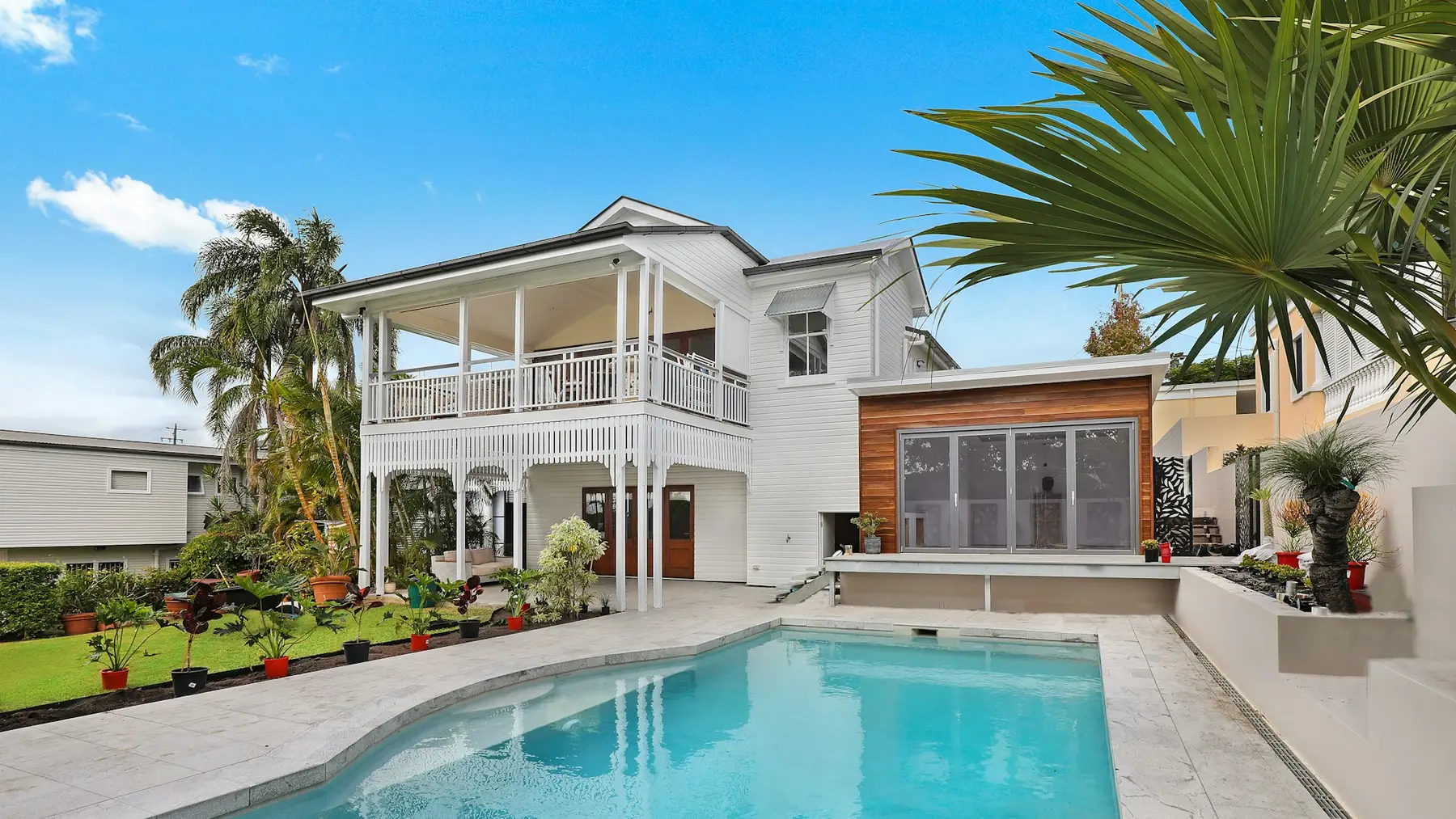
A residential DSCR loan can help real estate investors finance a rental property by focusing on the property’s supported rental income and its projected loan payment. For 1–4 unit properties, that can make the financing conversation more about the deal and less about qualifying through a traditional personal-income calculation.
That does not mean the property is the only thing reviewed. Lenders may also consider credit, down payment, reserves, property condition, ownership structure and the documentation supporting the rent. Here’s how to think through the process before you make an offer or refinance.
What counts as a residential DSCR property?
The standard residential DSCR category covers 1–4 unit investment properties:
- A single-family rental
- A duplex
- A triplex
- A fourplex
The financing is for business-purpose investment property, not a home you plan to occupy as your primary residence. Depending on the program, eligible properties may also include condos, townhomes or short-term rentals.
Unit count matters, but it does not tell the whole story. DSCR Doctors’ residential DSCR page also discusses small multifamily properties with 5–10 units. As a property grows beyond four units, however, the financing may shift toward commercial-style underwriting. Larger multifamily properties with 10 or more units are covered on the commercial DSCR page. For a 10-unit property, at that boundary, confirm which program and underwriting path fit the deal.

How qualification typically works
With a DSCR loan, the central question is generally whether the property’s supported rent can cover its projected payment. This can be useful for investors whose tax returns, self-employment income or portfolio growth make a conventional income-based application less straightforward.
A lender may review:
- Rent evidence: An existing lease, rent history or the appraiser’s estimate of market rent.
- Projected payment: The proposed loan payment and, depending on the program’s calculation, taxes, insurance and association dues.
- Credit: Credit history can affect the terms or options available; DSCR financing does not mean credit is ignored.
- Reserves: Lenders may assess whether you have funds set aside for payments, closing and property expenses.
- Entity or LLC vesting: If an LLC will own the property, formation and ownership documents may be part of the review.
For a Dallas–Fort Worth rental, be ready to support a realistic rent estimate for the property and its specific market. Rent assumptions should fit the property’s location, condition, layout and comparable rentals, not just an investor’s target.
What underwriters look at
1. How the rent is supported
The lender needs a documented basis for the income figure used in the calculation. Depending on the property and program, that may be:
- An existing lease: The rent stated in the lease may be considered, often alongside evidence that the rent is being paid.
- Market rent: For a vacant property or a purchase without an established lease, the lender may rely on the appraiser’s estimate of achievable rent.
- An appraisal rent schedule: For a one-unit property or a 2–4 unit building, the appraisal may include a rent schedule supporting the market-rent conclusion.
The exact method varies by lender. A lease above market, a vacant unit or rent that is difficult to document can change the qualifying figure. Ask which rent source the program will use before basing your offer or expected proceeds on an optimistic number.
2. The DSCR calculation
DSCR stands for debt-service coverage ratio. In a simple rent-versus-payment calculation, the ratio is:
Qualifying monthly rent ÷ qualifying monthly payment = DSCR
A ratio of 1.00 means the rent and payment are equal under that calculation. A result above 1.00 means the qualifying rent is higher than the payment. The precise payment definition can vary, so confirm what costs the lender includes.
Illustrative example, as of October 2026-not a quote or approval: If a property has $2,800 in qualifying monthly rent and a qualifying monthly payment of $2,400, the calculation is $2,800 ÷ $2,400, or approximately 1.17 DSCR. The lender must determine which rent and payment figures apply to the actual file.
You can test different assumptions with the DSCR loan calculator. Treat its result as a planning estimate, not an underwriting decision.
3. Loan-to-value and down payment
Loan-to-value (LTV) compares the loan amount with the property’s value. It helps determine how much of the purchase price or appraised value may be financed, and therefore how much equity you need to bring.
There is no single down payment that applies to every investor or property. Available leverage may depend on the rent calculation, credit profile, property type, loan purpose, appraisal and program. A deal with weaker coverage or more property-specific risk may support less leverage. Ask for a scenario based on the actual property and confirm what cash is needed for the down payment, closing costs and any required escrows.
4. Reserves, condition and marketability
Reserves are funds set aside beyond the cash needed to close. A lender may look at whether you can manage payments and normal ownership costs, especially if the property is vacant or needs work. The amount and how it is calculated depend on the program.
The appraisal also helps establish value, condition and marketability. Deferred maintenance, unusual layouts, unresolved repairs or limited comparable rental properties can prompt questions. In a competitive DFW market, it is worth checking that the property’s condition and expected rent are both supportable before assuming the numbers will carry through underwriting.
How residential DSCR differs from commercial DSCR
For a 1–4 unit property, the financing review is often a relatively direct look at property rent compared with the projected payment. The property’s rent is important, but the lender still reviews the borrower, leverage, reserves and collateral.
At 5 or more units, underwriting often becomes more commercial in style, with greater attention to the property’s net operating income (NOI), leases, operating expenses and performance as a whole. DSCR Doctors’ residential page includes a small-multifamily lane for 5–10 units, while its commercial page covers larger multifamily properties. Those descriptions do not guarantee that every property in a unit-count range will fit the same program. Match the financing path to the unit count, property type and income story.
Common mistakes that can slow or derail a 1–4 unit deal
- Using asking rent as if it were established income. An optimistic listing or rent estimate may not match the appraiser’s supported market rent.
- Overlooking the full payment. Taxes, insurance and association dues can affect the monthly figure used in the lender’s calculation.
- Ignoring vacancy or lease details. A vacant unit, short lease history or rent that is not well documented can complicate the review.
- Waiting to organize LLC documents. Ownership or entity questions that surface late can slow the file.
- Underestimating cash needs. Down payment, closing costs and reserves are separate parts of the plan.
- Assuming DSCR means no borrower review. The property’s income may lead the qualification conversation, but credit and other factors can still matter.
- Choosing a financing path by habit. A 5+ unit property may need an NOI-based commercial approach rather than the simpler 1–4 unit lens.
How to move forward
Start with the property address, expected rent, estimated value, unit count and ownership plan. Then run a preliminary scenario using the DSCR loan calculator. If you are weighing financing options, the DSCR loans hub provides an overview, and the loan terms guide explains terms such as DSCR and LTV.
When you’re ready, review how the process works and talk through the deal with DSCR Doctors. A preliminary conversation can help identify which rent evidence, property details and documents will matter for your next step.


Contact DSCR Doctors
Phone: 214-817-0492
Email: seth@dscrdoctors.com
Website: www.dscrdoctors.com
Loans are originated by SaveUnited.org, dba Mortgages for America | NMLS #993846. DSCR Doctors is a division of Iron Oak Lending and owns and operates this website. Full disclosures | Privacy policy | Equal Housing Opportunity | Business-purpose investor loans only; consumer protections may not apply. Available in 45 states.